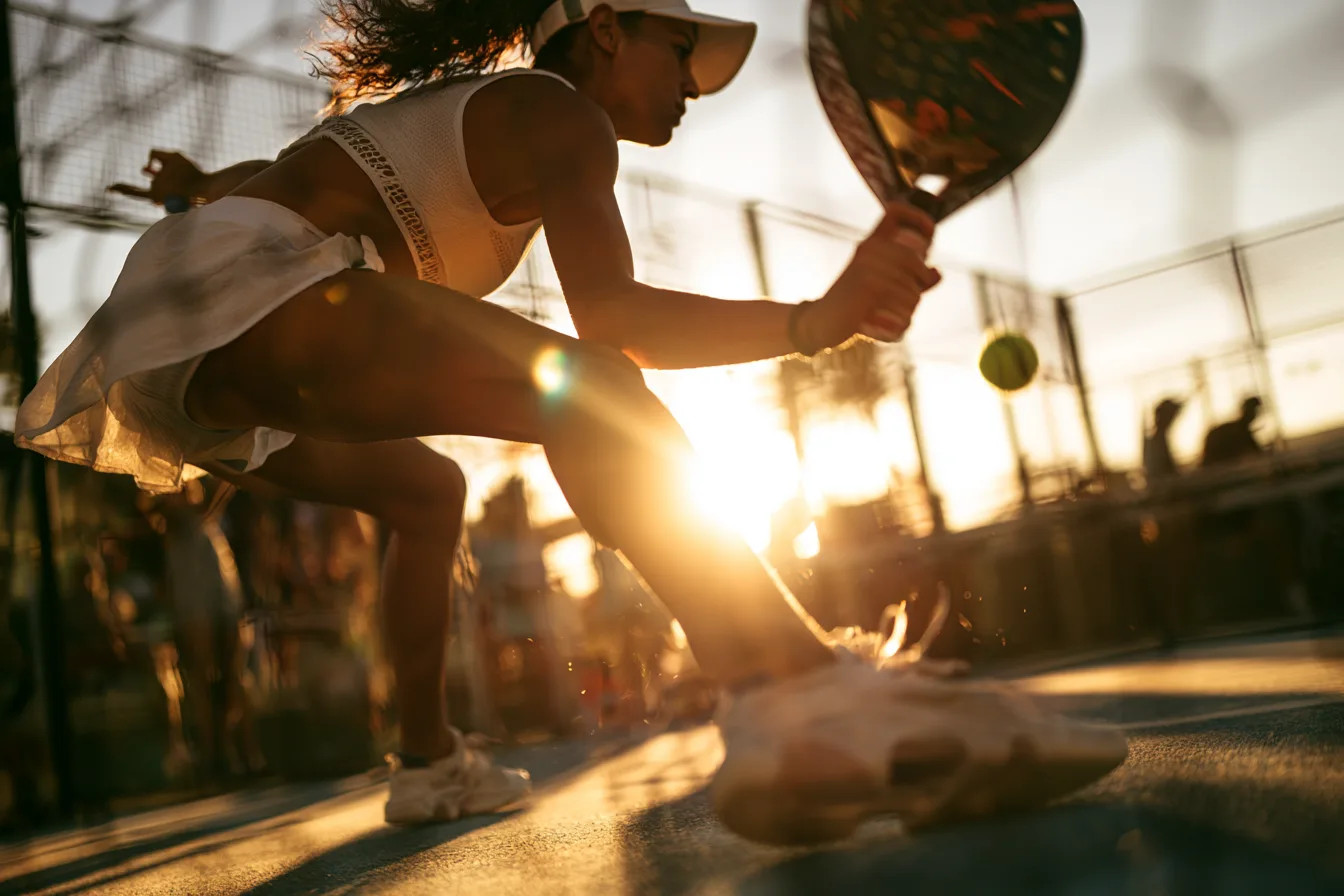

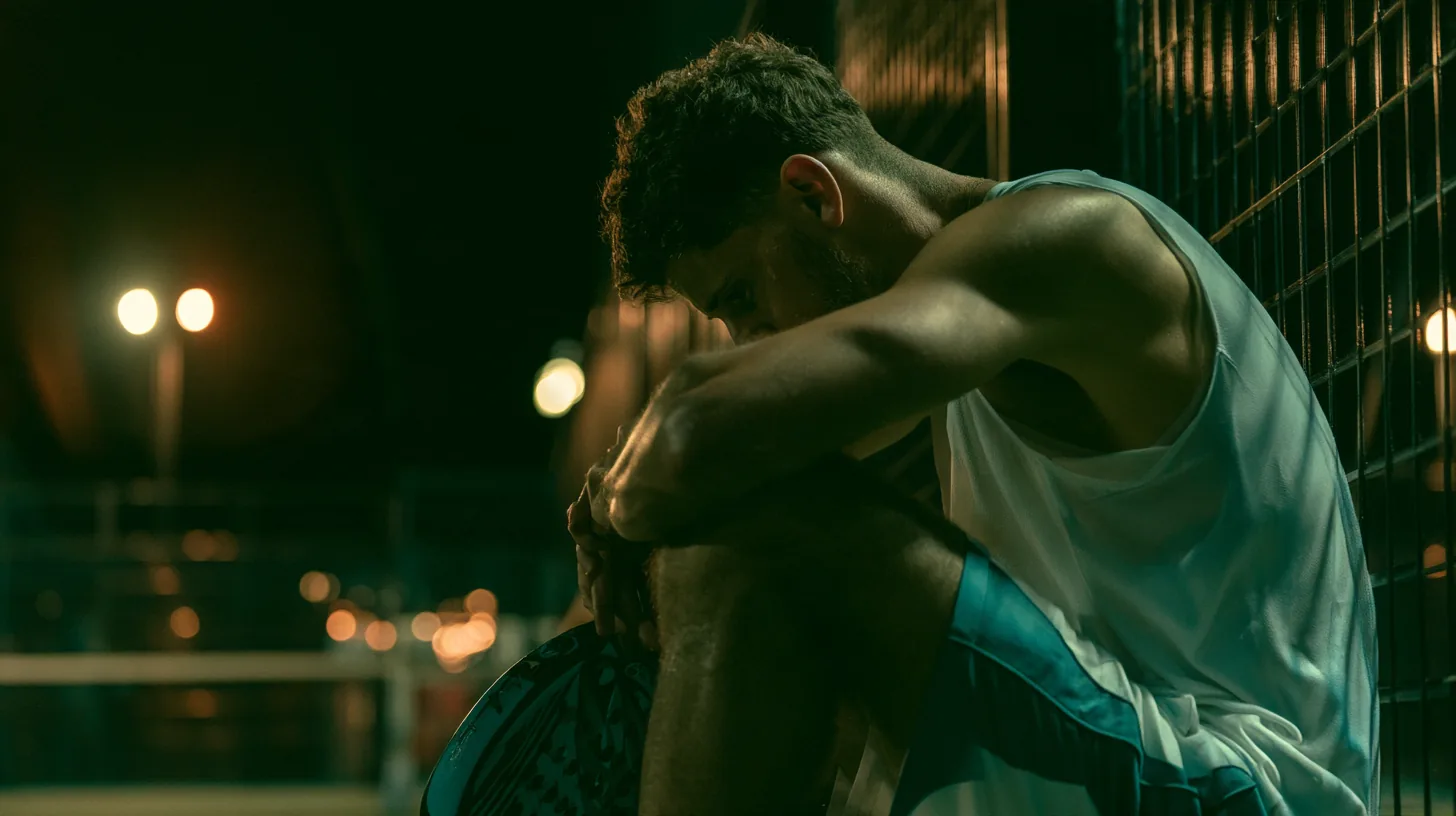
Padel feels accessible, but it asks the body to handle quick changes of direction, low positions, short sprints and repeated overhead strokes. New players often increase their weekly match volume faster than their technique and tissues can adapt.
You can control how quickly you increase load, how you prepare, and whether technique and equipment suit you. Padel research has not yet established how much each individual measure reduces injury risk.
This article provides general sports information. It is not a diagnosis or a substitute for individual medical advice.
What current research says about padel injuries
A systematic review covering eight studies and 2,022 participants reported roughly three injuries per 1,000 training hours and eight per 1,000 matches. Results varied widely. The elbow, knee, shoulder and lower back were frequently reported, while tendon and muscle injuries dominated.
A German cross-sectional study found 4.03 injuries per 1,000 hours of exposure. Lower leg, ankle and foot were commonly affected. Among non-professional players, the knee was a frequent region.
A newer survey of 457 recreational players reported that 36.5% had sustained at least one injury during the previous year. Median recovery time was 30 days. Retrospective surveys reveal associations, however; they do not prove that any single factor caused an injury.
Padel research remains young. A 2026 scoping-review protocol was published to map the prevention evidence that exists. Claims such as “these five exercises prevent injuries” therefore go beyond current evidence.
Common problem areas
Elbow and forearm
Late contact, excessive grip pressure and repeated hard arm-dominant shots load the forearm tendons. A head-heavy or firm racket can aggravate symptoms, but it is rarely the only cause.
Shoulder
The smash, bandeja and víbora require repeated overhead action. Limited trunk rotation or a rapid jump in playing volume shifts more work towards the shoulder.
Knee, calf and ankle
Low volleys, abrupt stops and lateral steps challenge the leg axis and calf. Slippery turf, unsuitable shoes or tired legs make those actions harder to control.
Lower back
Many balls are played low and under time pressure. Using little movement from the hips and knees concentrates more of the action around the lower back.
A ten-minute pre-match warm-up
This is a practical routine, not a clinically validated padel prevention programme. Every movement should remain controlled and pain-free.
Minutes 0–2: raise temperature
- jog easily
- shuffle in both directions
- add two short backward runs
- increase intensity progressively
Minutes 2–4: ankles and calves
- ten controlled calf raises
- circle each ankle
- use short, light steps on the forefoot
- perform two gentle lunges per side
Minutes 4–6: hips and direction changes
- open and close the hips
- perform lateral lunges
- split step, take two steps and brake under control
- mirror movement to the left and right
Minutes 6–8: shoulder, forearm and trunk
- progress from small to larger arm circles
- rotate the trunk under control
- move wrists and forearms without aggressive stretching
- rehearse five slow shadow volleys per side
Minutes 8–10: introduce the racket
- play short volleys at low pace
- add controlled lobs and bandejas
- save faster overheads until the end
- avoid maximal smashes with a cold shoulder
Load matters more than one exercise
No warm-up compensates for an abrupt training spike. Moving from one weekly session to three or four matches leaves little adaptation time.
Practical rules:
- Increase frequency or intensity gradually, not both at once.
- Schedule lighter days after tournaments or long matches.
- Reduce volume when symptoms grow from session to session.
- Train legs, calves, shoulder-blade control and trunk away from court.
- Treat sleep and recovery as part of load management.
Check technique and equipment intelligently
Grip pressure
Relax the racket between shots. Constant squeezing fatigues the forearm and makes quick adjustments harder.
Contact point
A coach can identify late contact and excessive arm action more reliably than a new racket can hide them. A technique session is valuable when elbow or shoulder symptoms recur.
Shoes
Padel requires lateral support and controllable traction. Worn soles, unstable running shoes or tread unsuitable for the surface can make stopping less predictable.
Racket
Weight, balance, grip size and stiffness must fit your strength, technique and playing frequency. When symptoms appear, “more power” is rarely the best starting point. Use our padel racket buying guide for orientation.
Warning signs: stop instead of pushing through
End the session for:
- sudden severe pain
- visible swelling or bruising
- instability or giving way
- numbness, tingling or clear loss of strength
- inability to walk normally or hold the racket safely
Seek assessment when symptoms recur, worsen, disturb sleep or remain despite reduced load. After an acute injury, a qualified medical professional should guide diagnosis and return to sport.
Conclusion
Padel injuries are not limited to one body part. Elbow and shoulder matter, but so do the knee, calf, ankle, foot and back. With padel-specific prevention evidence still limited, the sensible approach is clear: warm up progressively, increase load gradually, improve technique and respect warning signs.
Ten good minutes before a match help. A weekly schedule your body can tolerate is even more valuable.