
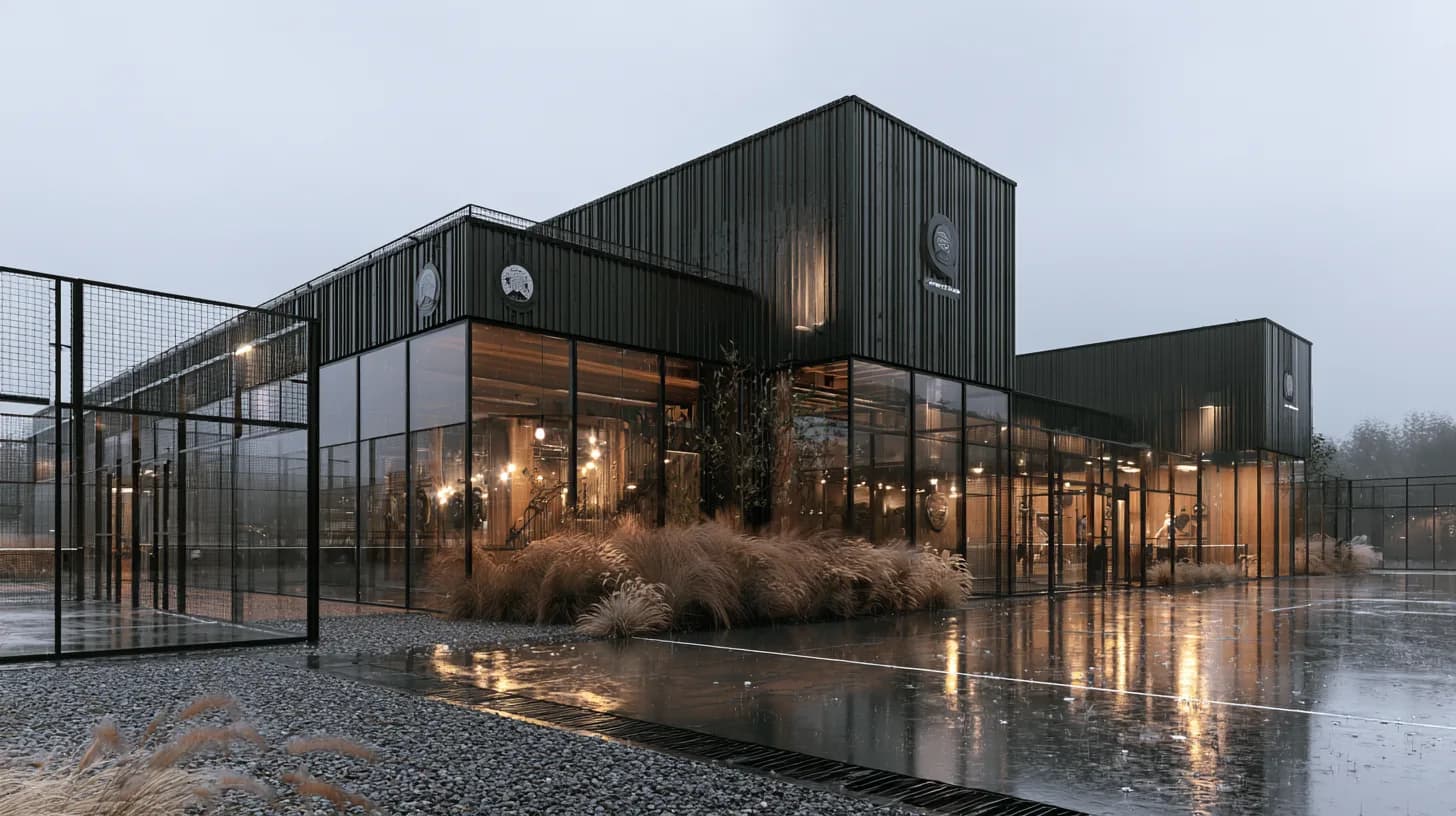
The first indoor session of autumn often feels surprisingly different: no wind, consistent light, but quicker rebounds from glass, lower lobs under the roof and sometimes cold balls taken straight from the car.
A few adjustments make the outdoor-to-indoor move easier. You do not need new tricks; you need sensible preparation and a quick read of the specific venue.
Why indoor padel feels different
An indoor venue removes wind and direct rain, but conditions are not standardised. These details change pace and flight:
- air temperature
- ceiling height and roof structures
- light position and contrast
- moisture on balls or shoes
- turf type and amount of sand
- the colour and distance behind glass walls
In a warm hall, the ball usually responds more energetically than outside on a cold evening. Low ceilings punish very high lobs, while dark backgrounds or overhead lights change how early you see the ball.
Padel balls in cold and damp conditions
Padel balls are pressurised. As their temperature falls, internal pressure falls too; bounce becomes lower and the ball feels slower. Damp felt can absorb water, changing both weight and flight. The 2026 FIP rules specify internal pressure and rebound height for a new standard ball; a lower-rebound alternative is permitted above 1,000 metres.
Practical habits:
- Store cans somewhere dry at stable room temperature.
- Do not leave them in a cold car overnight.
- Open a fresh can shortly before play.
- Replace clearly soft or damp balls.
- Check whether the club specifies a ball type.
A correctly used pressure container can slow pressure loss after a can is opened. It cannot repair worn or damp felt.
Our detailed guide explains the difference between padel and tennis balls.
What clothing works indoors?
Before the match
Wear a light jacket or long-sleeve layer over your playing shirt. It prevents you cooling down between the car park and court, then comes off after your warm-up.
During play
Breathable, unrestricted clothing matters more than heavy insulation. Many halls feel warm after the first rallies. Thick layers can restrict shoulder movement and temperature control.
Between matches
For tournaments or long breaks, pack:
- a dry spare shirt
- a warm outer layer
- dry socks
- a small towel
- a separate bag for damp clothing
The classic mistake is sitting in a wet shirt, becoming cold, then starting the next match without warming up again.
Shoes: dry soles before perfect tread
Inspect the surface first. Some courts have visible sand; others use newer artificial turf with little sand. Suitable tread provides grip without locking the foot abruptly during rotation.
Whatever the model:
- Do not wear wet outdoor shoes onto court.
- Remove stones and dirt from the outsole.
- Replace worn shoes when lateral support is gone.
- Do not test a new pair for the first time in a tournament.
A dedicated indoor pair keeps both the court and outsole cleaner and produces a more consistent feel.
Ten minutes, not two practice swings
Cold calves and shoulders are not ready for immediate sprints or full-power smashes. Start off court with easy movement, direction changes and shoulder preparation. Continue with controlled volleys, lobs and bandejas.
Use the routine in our guide to preventing padel injuries.
Tactical adjustments indoors
Calibrate lob height first
Use the warm-up to judge the available clear height. FIP rules require at least six metres without obstruction and recommend eight metres for new facilities. If a ball can reach a roof or another structure outside the normal playing enclosure, clarify the competition or venue ruling before the first point.
Read the glass earlier
Without wind, rebounds are more predictable, but a warm ball can leave the glass quickly. Avoid standing too close and prepare the racket compactly.
Control before maximum power
Fast conditions do not reward every smash. A placed volley at the feet or deep bandeja can protect your net position with less risk.
Test the lights deliberately
Play several high balls from both ends during the warm-up. You will find any light or bright roof area where the ball briefly disappears.
Planning autumn bookings
Demand rises with rain and earlier darkness. Book recurring slots early, especially between 18:00 and 21:00 on weekdays. Flexible groups can use off-peak times or compare two nearby venues.
Use padel near me to find indoor courts and check venues in your region.
First indoor-session checklist
- Keep balls out of the cold car.
- Bring dry court shoes.
- Pack an outer layer and spare shirt.
- Warm up progressively for ten minutes.
- Test roof height and lights with lobs.
- Observe glass speed early.
- Check booking and cancellation rules.
Conclusion
Indoor padel in autumn is easier to schedule, but no two halls feel identical. Temperature, balls, turf, roof and lighting give each venue its own character.
Store balls correctly, dress in layers and use the first minutes to calibrate. You will find your rhythm faster without rebuilding your whole game.