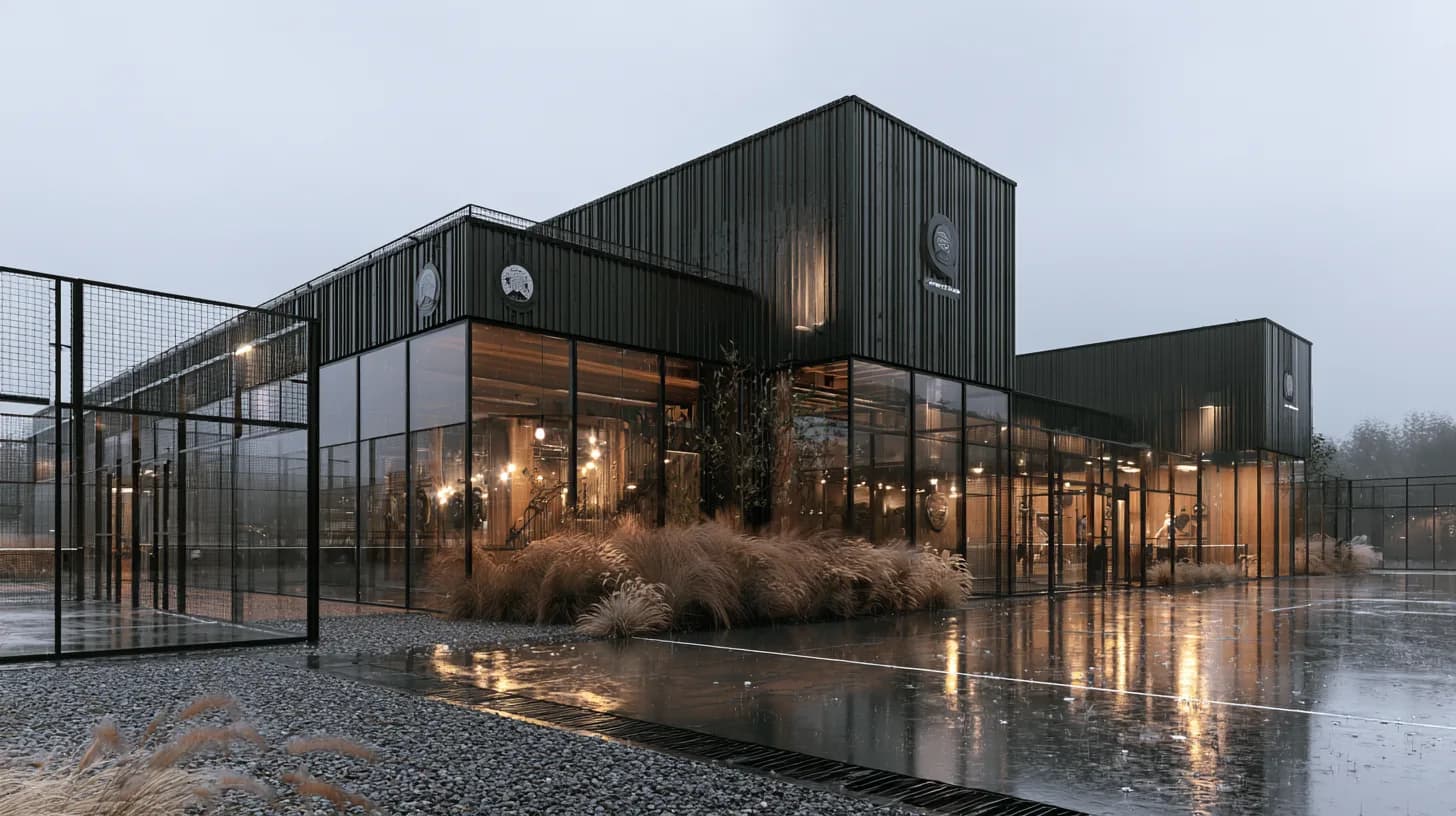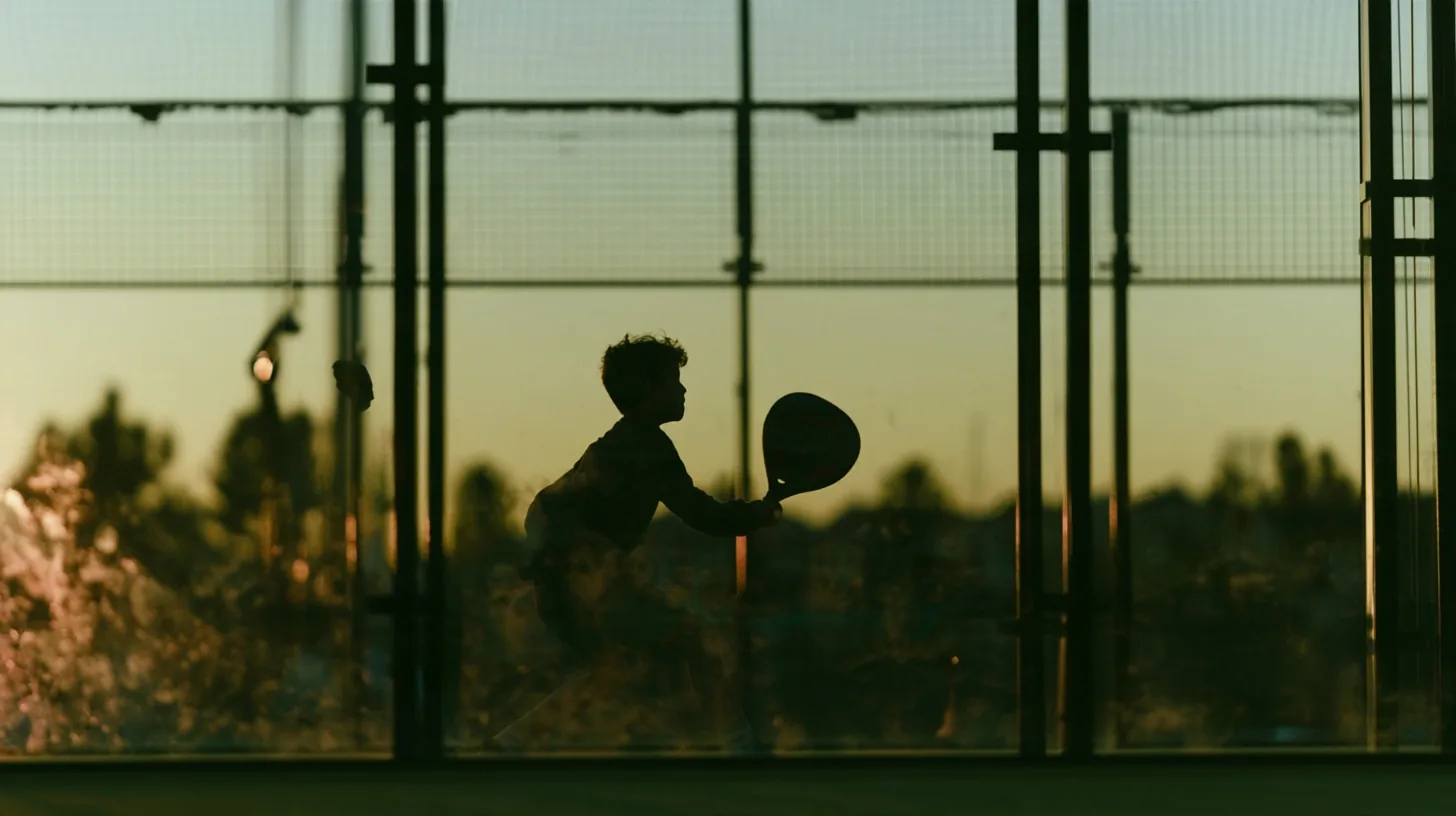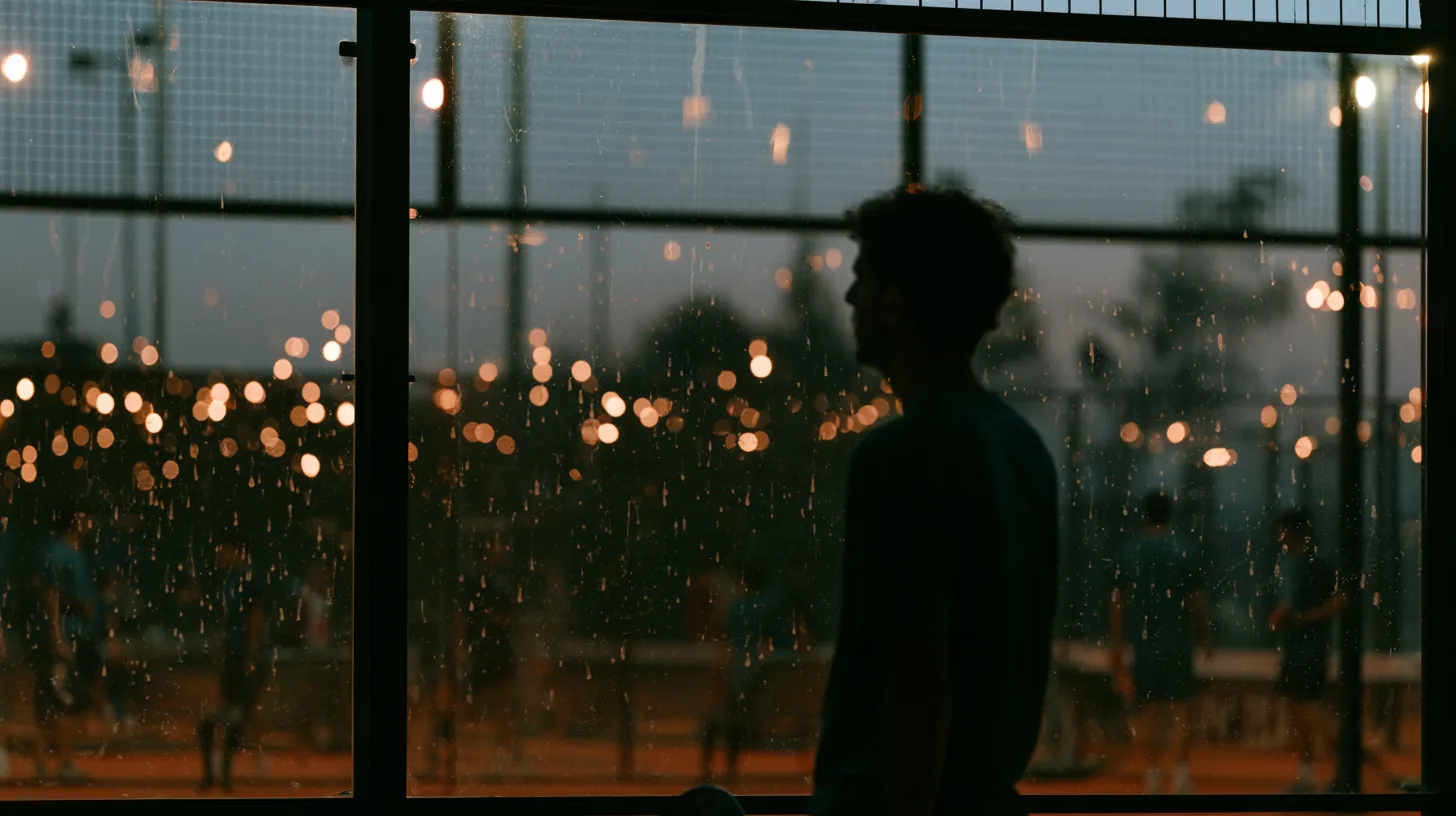

Padel is one of the fastest-growing racket sports in the world, and the court is the center of the experience. It is not just a smaller tennis court. It is a compact, enclosed playing environment where walls, spacing, lighting, and materials all shape the game.
This guide explains the official dimensions, the most common court types, and the technical details that matter for operators, buyers, and curious players.
The technical basics: dimensions and structure
An official padel court is a rectangle with an inside width of 10 meters and an inside length of 20 meters. In practical terms, that makes it half the size of a tennis doubles court.
The core numbers to know:
- the net spans the full 10 meter width
- the net height is 88 centimeters at the center
- at the posts it rises to up to 92 centimeters
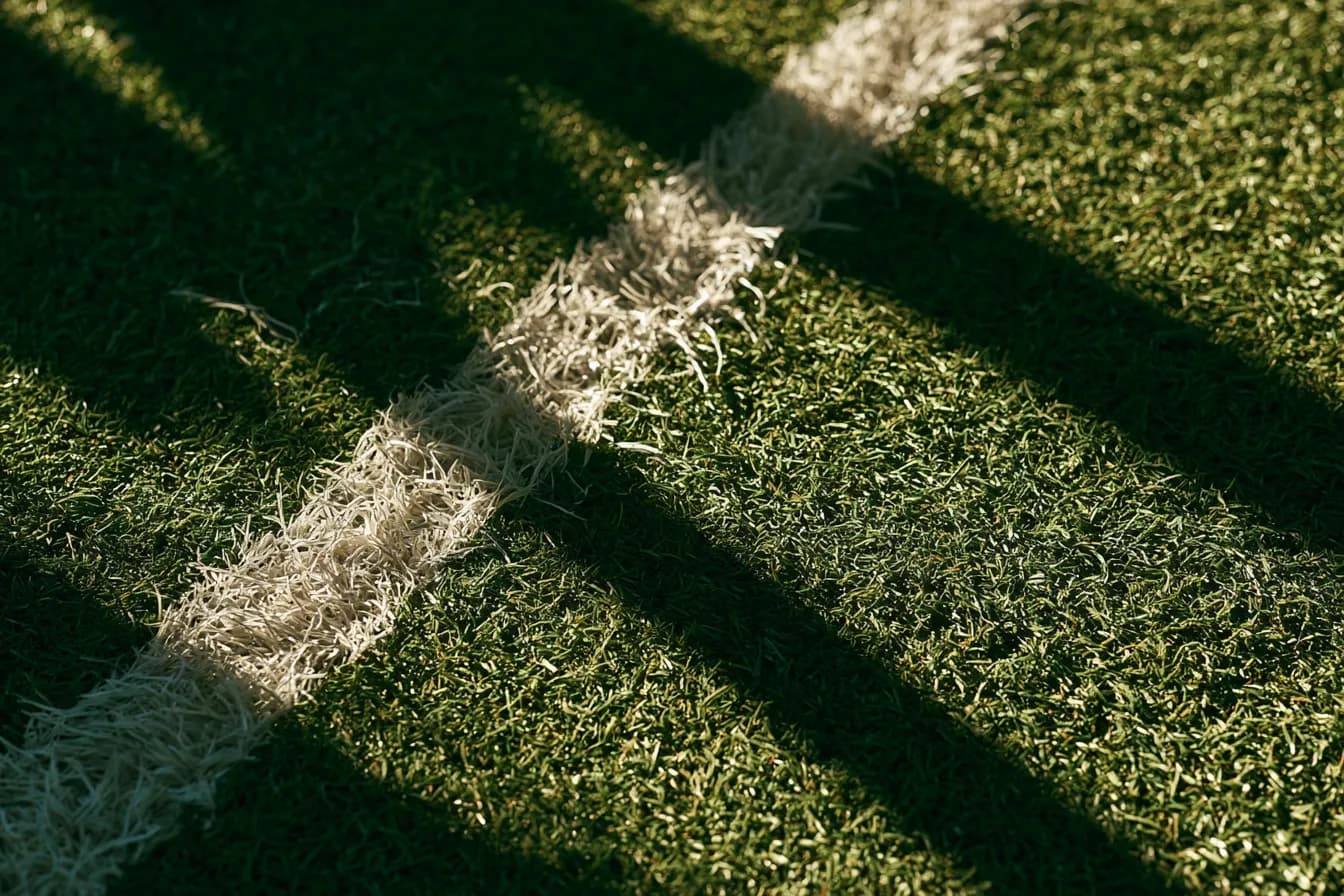
- all lines are 5 centimeters wide
- line color must contrast clearly with the court surface
The court enclosure
The court is fully enclosed, and that enclosure is what makes padel tactically unique.
Typical structure:
- the back walls reach a total height of 4 meters
- the lower 3 meters are usually glass or solid wall material
- the upper 1 meter is typically metal mesh
Side structures vary slightly depending on the design, but the principle remains the same: the walls are part of the playable environment.
The different court types
Not every padel court is built the same way. The right structure depends on use case, budget, and spectator expectations.
Standard or club court
The classic club court uses visible vertical metal posts to support the glass. This is common, robust, and often the most economical option.
Panoramic court
Panoramic courts remove the rear corner posts or reduce their visual impact. That improves sightlines and gives the court a cleaner, more premium appearance.
Full panoramic court
This high-end version is common in professional events. The rear structure is reduced even further, often creating a broad uninterrupted glass look with maximum visibility for spectators and cameras.
Concrete or masonry court
These courts appear more often in public parks or especially durable installations. They can be vandalism-resistant and robust, but they offer less visual openness than full glass constructions.
Event and junior variants
There are also special solutions such as:
- mobile courts for temporary events
- children’s courts with smaller dimensions and adapted construction
Indoor or outdoor: what changes?
The indoor versus outdoor decision affects the playing experience, the build concept, and long-term operating costs.
Ceiling height indoors
Indoor courts need enough ceiling clearance for lobs, overheads, and safe play. A court may fit on paper, but if the roof is too low, the game quality drops immediately.
Operators should therefore think beyond footprint and ensure comfortable vertical space, not just legal minimums.
Outdoor requirements
Outdoor courts face weather, UV exposure, drainage, and surface contamination from leaves or dust.
That means the build has to account for:
- rainwater handling and drainage
- wind exposure
- sun and heat stress on surfaces and players
- corrosion protection for metal structures
Permits and surroundings
Especially for outdoor projects, planning permission, noise, floodlight regulations, and site access can become just as important as the court specification itself.
Glass quality and safety standards
Glass is one of the defining materials of padel. It must support play, visibility, and safety at the same time.
Important factors include:
- sufficient thickness and impact resistance
- proper mounting and structural stability
- clean rebound characteristics
- safe edge treatment and installation quality
Poor installation can be just as problematic as poor material quality. Even good glass performs badly if the supporting structure is not built correctly.
The surface: why the sand matters
The turf system has a huge influence on comfort, movement, and ball response. The sand-filled synthetic surface is not just decoration. It helps create the grip and pace that players expect.
Traction and movement
Too little grip can feel unsafe. Too much can overload joints. A good court gives players enough traction to push and brake without feeling sticky.
Ball behavior
The surface influences bounce height, speed, and consistency. That becomes especially noticeable when comparing premium indoor courts with older or poorly maintained surfaces.
Surface durability
Over time, sand distribution, fiber wear, and contamination affect play quality. Even a well-built court needs routine upkeep if it should keep performing like a good padel court.
Lighting and maintenance
Lighting matters far more than many players realize. Uneven or weak light changes reaction time, ball tracking, and overall court quality.
A strong lighting setup should provide:
- even illumination across the full playing area
- limited glare for lobs and overheads
- good visibility at net and in the corners
- dependable performance for evening sessions
Typical maintenance intervals
Good court operators plan maintenance as part of normal operations, not as an afterthought.
Typical recurring tasks include:
- brushing and redistributing sand
- checking glass fixings and structure
- inspecting turf wear
- cleaning drainage zones
- monitoring lights and replacing failing components
Conclusion: a good padel court is compact high-tech
A high-quality padel court is a surprisingly technical product. Dimensions, glass, structure, turf, lighting, and maintenance all contribute directly to the playing experience.
For players, the biggest takeaway is simple: not all courts feel the same because not all courts are built and maintained to the same level.
For clubs and operators, the lesson is even clearer: a good court is not only about initial construction. Long-term performance depends just as much on material choices, installation quality, and disciplined maintenance.