
Padel is a fast racket sport that mixes elements of tennis and squash. It is usually played in doubles on a 10 x 20 meter court surrounded by glass and metal mesh. For beginners the game feels familiar and unusual at the same time: the scoring looks like tennis, but the walls are part of the rally.
This guide covers the essentials you need before your first real match.
The serve: how every point starts
Every point starts with an underhand serve. As the server, you must stand behind the service line, bounce the ball once on the ground, and strike it at or below waist height.
The key rules:
- the serve must go diagonally into the opposite service box
- after the first bounce in the box, the ball may hit the glass
- if it touches the metal mesh after the bounce, the serve is a fault
- like in tennis, you usually have two serve attempts
- if the ball touches the net and still lands correctly, it is replayed as a let
The basic rally principle: use floor and walls smartly
During a rally, the ball may bounce only once on your side of the court before you return it. You can play it directly out of the air as a volley or wait for it to bounce and then rebound off your own glass.
The most important principle is this: on the opponent's side, your shot must hit the ground first before it touches glass or mesh. If you hit the opponent's back wall directly without a legal bounce first, the ball is out.
What matters around the net and boundaries
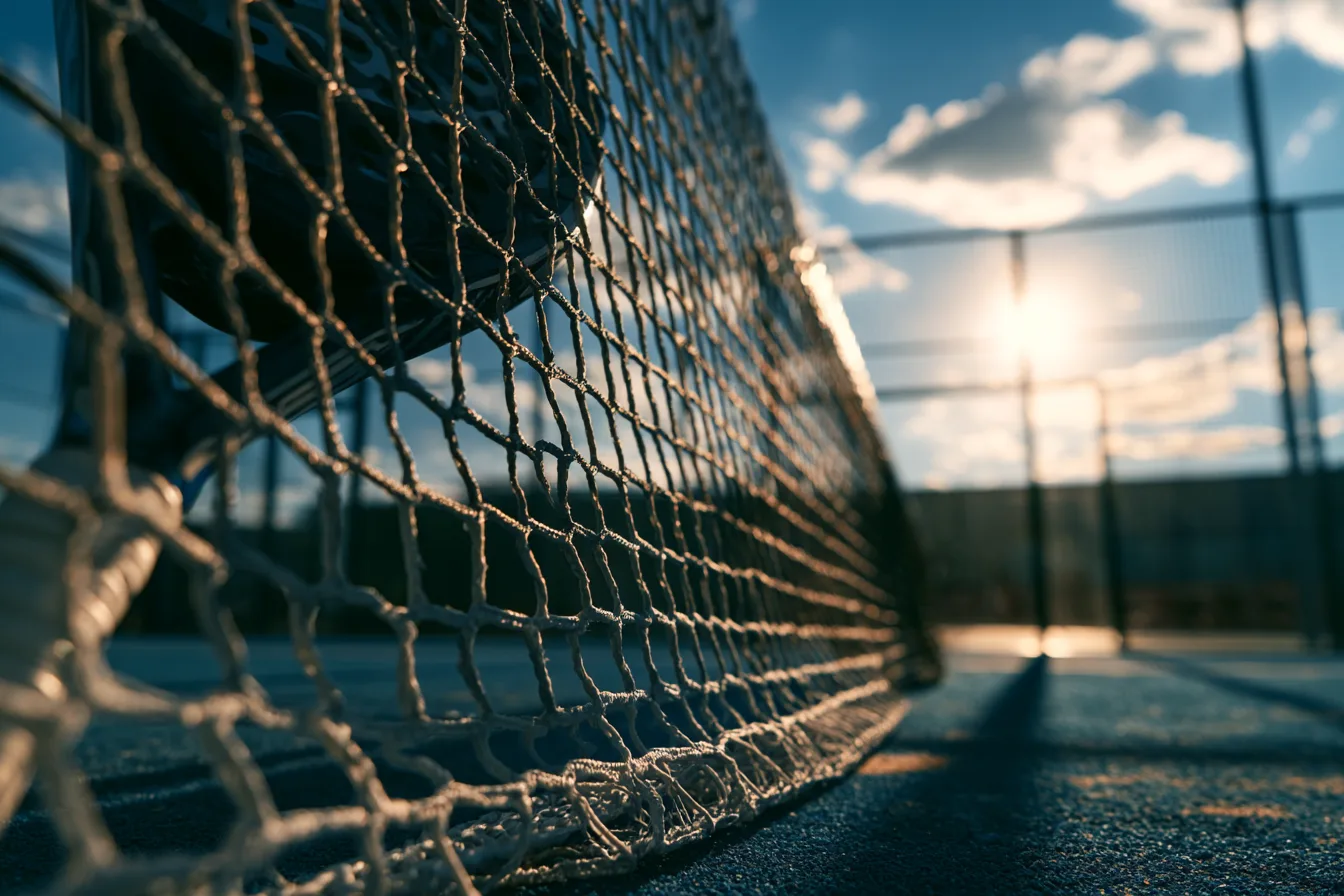
There are also a few simple but strict net rules:
- if you touch the net or net post with your body or racket, you lose the point
- reaching over the net is only allowed in special situations, for example when the ball spins back to your side after first landing legally
The scoring system: 15, 30, 40, game
Padel uses the classic tennis score count: 15, 30, 40, game. A team wins a set by reaching six games with at least a two-game lead, such as 6:4. At 6:6, a tiebreak is usually played.
For beginners, the practical takeaway is:
- score announcements work like tennis
- the server calls the score before the point
- clear score calls prevent confusion and arguments
The star-point format in some competitions
Some tournaments use shortened deuce formats. Based on the current background text, from 2026 onward some competitions use a star-point system.
The idea:
- at 40:40 you first play a normal deciding phase
- if the deuce cycle keeps returning, the final deciding point becomes the star point
- on that final point, the returning team may choose whether to receive on the left or right side
Important for beginners: this is not universal. Always check the tournament rules instead of assuming every local event uses the same deuce format.
The tiebreak: what happens at 6:6
When a set reaches 6:6, a tiebreak decides it.
The standard basics:
- the first team to seven points wins
- you still need a two-point margin
- service rotates in a defined order after the opening point
- players change ends during the tiebreak according to the standard count
If you are new, the smartest approach is simple: ask your opponents to confirm the order before the tiebreak starts and keep the score loud and clear.
Equipment: what you need for your first match
You do not need a huge gear bag to start playing padel.
The racket
Padel rackets are shorter and solid, without strings. For your first matches, prioritize comfort and forgiveness over pro-level power.
A good beginner choice usually has:
- a round or slightly balanced shape
- moderate weight
- a large sweet spot
- a comfortable feel on off-center contact
Padel balls are not the same as tennis balls
At first glance they look similar, but padel balls are not identical to standard tennis balls. They usually have slightly different pressure characteristics, which changes bounce and speed.
For casual first sessions this difference may not ruin your experience, but for real match play you should use actual padel balls whenever possible.
Shoes and clothing
The most practical basics are:
- clean indoor sports shoes for indoor courts
- suitable outdoor court shoes for outdoor play
- breathable sportswear
- a towel and enough water
Good footwear matters more than most beginners think, because padel involves constant stopping, starting, and direction changes.
Quick recap: what you should remember
If you only keep a few points in mind, make it these:
- serves are underhand
- the ball must bounce first on the opponent's side
- walls are legal after the bounce
- scoring follows tennis logic
- communication matters a lot in recreational play
- comfortable equipment beats overly advanced equipment at the start
Conclusion: you are ready for the court
Padel is one of the easiest racket sports to start, but it becomes much more fun once the basic rules feel natural. If you understand the serve, the wall logic, the scoring system, and the key equipment choices, you already have the foundation you need.
From there on, progress comes mainly from repetition. Play, ask questions, watch how experienced players use the glass, and your first confusion quickly turns into real court awareness.